Insights and Case Studies
Beyond the Rendering: How Boldt Design Approaches Better Buildings
Five members of Boldt’s design team share what architecture requires, how early collaboration strengthens projects and what good design means to them.
Architecture is easy to see. The thinking behind it is not.
Behind every floor plan, material choice and finished space are hundreds of decisions. But for Boldt’s design team, those decisions begin in the same place: understanding what a client needs and finding the right solution to meet those needs.
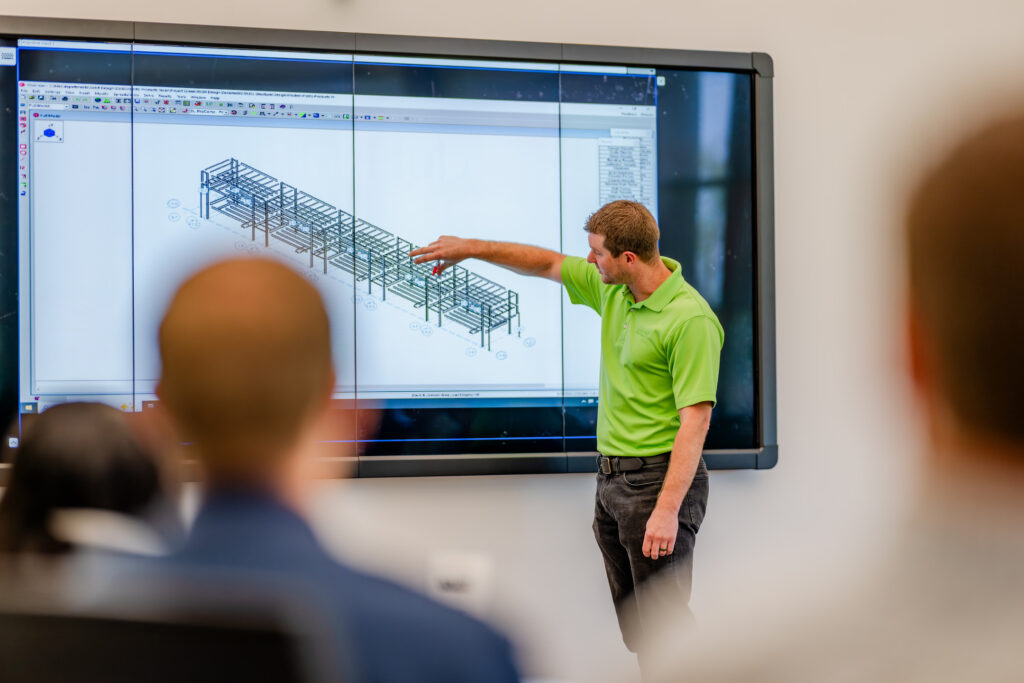
That requires more than design expertise. It means listening closely, asking the right questions and bringing together Designers, Engineers, Estimators and Construction professionals to consider how a building will function, what it will cost and how it can ultimately be built.
For Architecture Awareness Month, we asked members of Boldt’s design team about their approach to the profession and what good design means to them. Again and again, their answers came back to the people they serve.
Good Design Starts with the Clients’ Needs
Architecture is inherently an exercise in problem-solving. But before an Architect can develop a solution, the team first needs to understand the client’s problem.
“Good design has to solve the problem, whatever that might be for an owner or client group,” said Jason Hale, Design Group Manager. “It has to solve their problem first and foremost.”
That means listening before drawing.
Rustin Schwandt, Senior Project Architect, sees his role as helping owners translate their ideas and expertise into something that ultimately can be built.
“They’re the experts in their own businesses,” he said. “I help to guide them as we shape something together.”
Joe Pentek, Senior Design Leader, points to patience and listening as essential parts of that process.
“You need to be patient, and you need to be a listener,” he said. “Everybody’s got different ideas, and just because I think my idea is right doesn’t mean somebody else’s idea isn’t also worth hearing.”
That openness can lead a project somewhere the team may not have initially expected.
“No idea is a dumb idea,” Pentek said. “While it might not be the answer, it might lead somebody else to think differently, which could ultimately end up being the solution.”
Bringing More Perspectives to the Table
Serving clients well also means considering more than what looks good on paper.
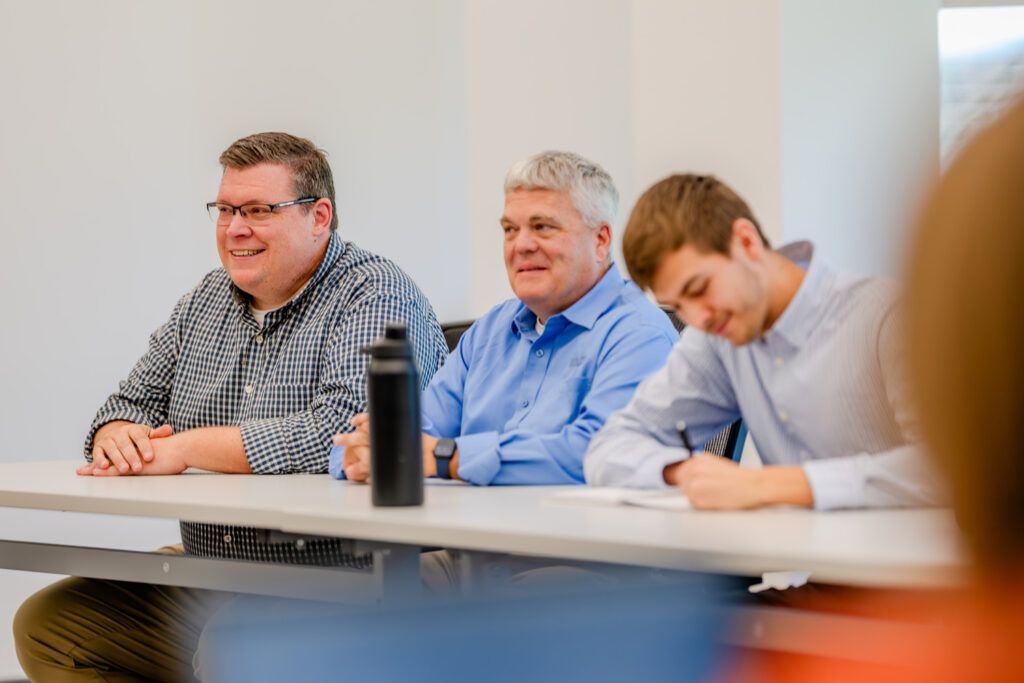
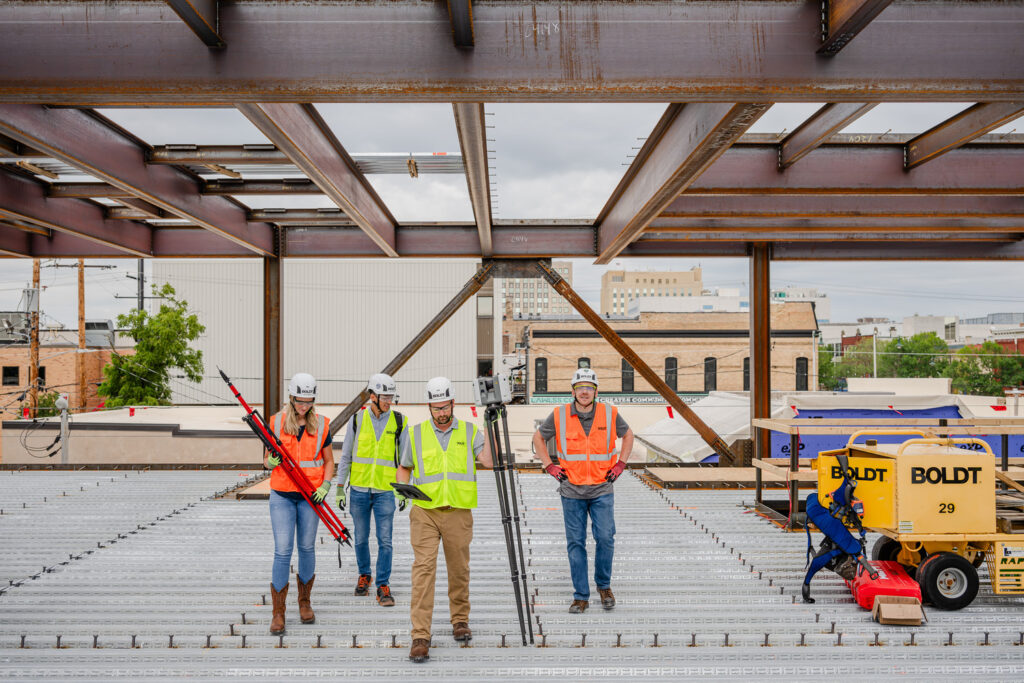
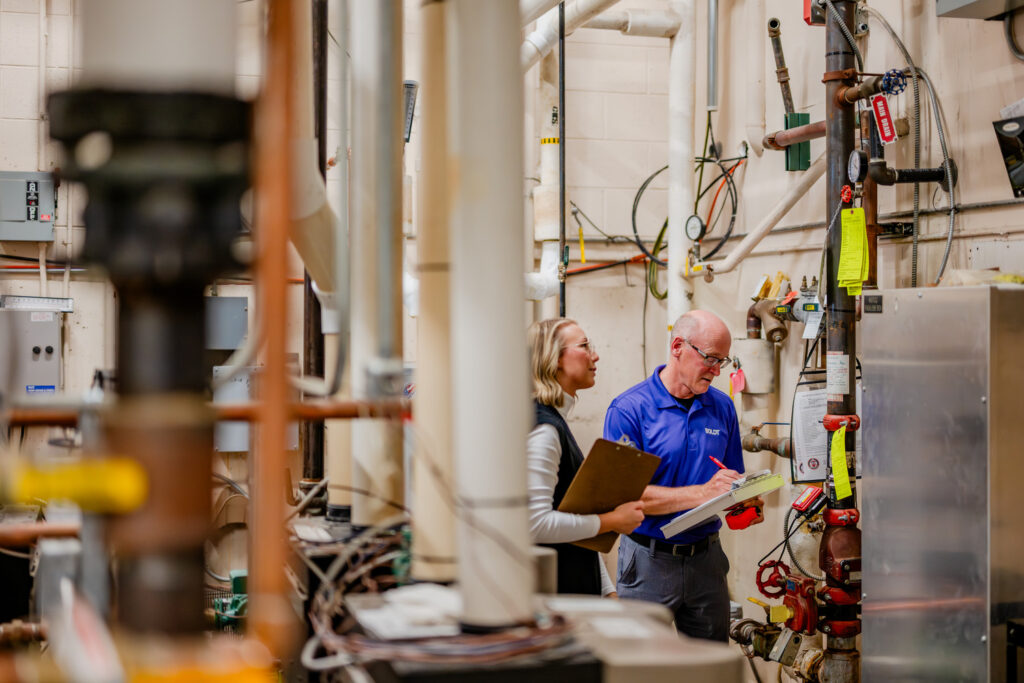
At Boldt, Designers can work alongside Engineers, Estimators and Construction professionals earlier in the process, bringing different perspectives to decisions about design, budgets, materials and constructability.
Schwandt describes the difference from a more traditional design process as the opportunity to address design details, costs, materials and potential changes earlier, rather than discovering issues after drawings are complete.
Hale has seen the same benefit.
“One of the important lessons I’ve learned on the architectural side of Boldt is the benefit of being able to work alongside construction from a very early point in a project’s design,” he said. Construction expertise can help the design team work through technical details while maintaining both constructability and the owner’s budget.
For Williams, communication is central to making that collaboration effective.
“The number one lesson I’ve learned at Boldt is communication: early and often!” he said. “That means Designers, Engineers, Estimators, Construction Managers and Owners all aligned from the beginning.”
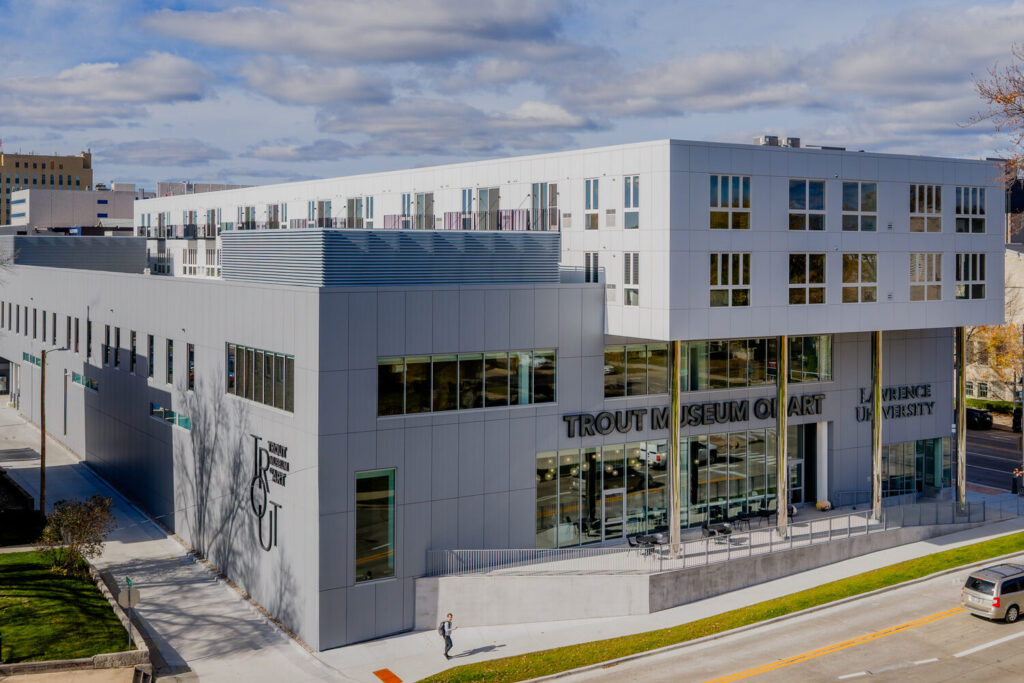
That lesson came into especially sharp focus while Williams was working on the Lawrence University and Trout Museum of Art building in downtown Appleton. Close, on-site collaboration with Boldt’s construction team and the owners continued through technical challenges, design decisions and project completion.
Looking Beyond the Pretty Picture
Much of the work required to meet a client’s needs may never be apparent to someone walking through the finished building.
“A common misconception is that architects only draw pretty pictures,” Williams said. “Aesthetics and design are extremely important, but architecture goes far beyond design.”
Architecture brings together technical requirements, building codes, operations, public safety and human experience. Hale describes the profession as balancing its artistic side with highly practical considerations, including life safety, code analysis and the technical work required to make sure a facility operates correctly.
Robert Turner, Architectural Drafter, sees budget as another important part of the equation.
“Most people know that architects are responsible for making buildings look pretty, which is part of it, but making a building look pretty while meeting a budget is the magic that happens behind the scenes,” he said.
Designing with Construction in Mind
The connection between design and construction also changes the way the team thinks about what it puts on paper.
Site visits have taught Turner that, “what looks simple on paper eventually has to be constructed by somebody,” making an understanding of field conditions and everyone’s role in the process essential.
That experience has also reinforced the importance of communication. When design intent moves from plans into the field, details can be lost in interpretation. Turner identifies better communication between design and construction teams as an opportunity for the industry.
Hale sees technology playing an increasingly important role as well. Rather than translating detailed building models back into traditional 2D plan sets, Hale envisions a more seamless connection between the model used during Design and the information Construction teams use in the field.
Defining Good Design through the Client’s Experience
Ask five Designers to define “good design,” and the language differs. But the answers share an important thread: Success isn’t ultimately defined by the Designer. It’s defined by how well the finished solution serves the client and the people who use it.
For Turner, good design means meeting a client’s stated needs while also using the team’s expertise to identify needs the client may not have recognized yet.
For Williams, it brings functionality, durability, accessibility and the owner’s goals together in a solution that performs well over time and enriches the user’s experience.
For Schwandt, success is perhaps simplest to recognize at the end of a project: The client walks into the finished space and finds what they hoped for, the space operates smoothly and the process has created trust that can carry into the next project.
And that may be the best way to understand Boldt’s design team during Architecture Awareness Month.
The finished building is what everyone sees. Behind it is a team focused on listening, solving problems and bringing design and construction expertise together to create something that works for the client, not just on opening day, but for the people who will use it every day.
About The Boldt Company
The Boldt Company (Boldt) is a leading professional construction services firm serving customers across the United States. Founded in 1889, Boldt is a 100% employee‑owned company headquartered in Appleton, Wis., with 17 offices nationwide. Widely recognized as a pioneer in Lean construction, Integrated Lean Project Delivery and industrialized construction, Boldt delivers innovative solutions across a diverse range of markets, including healthcare, power, industrial, education and commercial sectors.